Malaysia’s gambling market presents a paradox. The country has one of Southeast Asia’s most restrictive regulatory frameworks, yet one of its largest illegal gambling economies. The legal market is a set of closed legacy concessions. The illegal market is a sprawling, digitised shadow economy that dwarfs it by a factor of seven.
This report compiles available data from market research firms, government statements, and industry analysis to provide a consolidated picture of Malaysia’s gambling market size in 2026.
Total Market Size: US$2.3 Billion in 2026
According to market analysis by Henk Wolff, Malaysia’s total gambling GGR — combining regulated and offshore segments — was US$2.0 billion in 2025 and is projected to reach US$2.3 billion in 2026, representing year-on-year growth of 10.0%. The compound annual growth rate from 2021 to 2026 is 9%.
Mobile accounts for 80% of online GGR, reflecting the shift toward smartphone-based gambling access.
This total figure encompasses all forms of gambling accessible to Malaysian residents, including licensed lotteries, the single land-based casino, and offshore online platforms that operate outside Malaysian jurisdiction.
The Regulated Market: US$250 Million
The regulated segment is remarkably small. According to Henk Wolff, regulated GGR in 2025 was US$250 million, representing just 12% of the total market. The channelisation rate — the proportion of gambling activity flowing through licensed operators — is 12%.
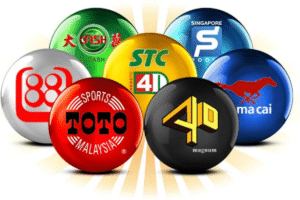
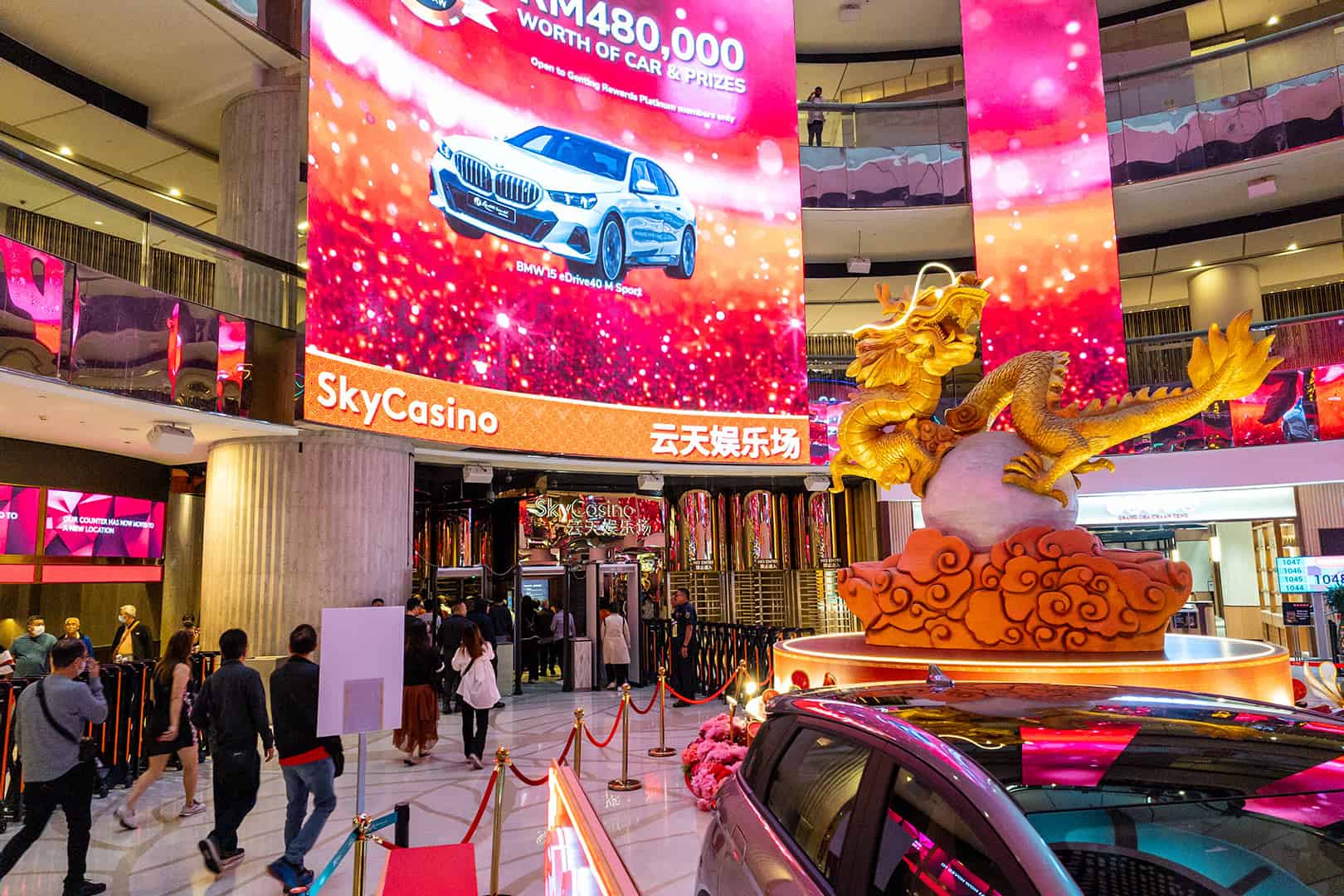
The regulated market consists of three components. First, the number forecast operator (NFO) sector, comprising Magnum 4D, Sports Toto, and Da Ma Cai, which together generate approximately RM8.8 billion in annual gross sales for 2025. Second, the single licensed casino at Resorts World Genting, operated by Genting Malaysia Berhad. Third, on-course horse-race betting at licensed turf clubs.
Online casino, sports betting, poker, and bingo are all prohibited in the regulated market.
The Illegal Market: US$1.8 Billion and Growing
The offshore and illegal segment accounts for the overwhelming majority of Malaysia’s gambling market. Henk Wolff estimates offshore GGR at US$1.8 billion in 2025, seven times the size of the regulated market.
The illegal 4D betting market alone is estimated to generate at least RM18 billion in annual revenue, according to reports cited by Wong Chun Wai. That figure is more than twice the revenue of Malaysia’s tax-paying NFOs.
The shadow market has also aggressively moved online, offering daily draws, higher payouts, and 24/7 mobile access — features that legal NFOs cannot match, as they are capped at three to four draws per week and restricted to physical outlets.
Estimates suggest the illegal market is now at least 1.5 to two times the size of the legal industry, according to analysis in The Edge Malaysia.
The Tax Gap: RM5 Billion Lost Annually
The government loses approximately RM5 billion annually in tax revenue to illegal gambling syndicates and bookies, according to reports cited by Wong Chun Wai. Illegal operators pay no gaming taxes, corporate duties, or regulatory fees. The licensed NFOs, by contrast, are heavily taxed, paying multiple layers of duties on every ticket sold.
The tax loss is not merely a fiscal issue. It represents a transfer of resources from the formal economy to an unregulated shadow sector that operates beyond the safeguards imposed on licensed operators.
Enforcement Data: The Scale of the Shadow Economy
Enforcement operations provide additional insight into the scale of illegal gambling activity. During the FIFA World Cup 2026, police conducted 422 anti-gambling operations and arrested 554 suspects, including 341 Malaysians and 213 foreigners. Authorities seized RM167,062 in cash, with total illegal wagers worth RM3.249 million detected.
In a single bust in July 2026, police dismantled an online gambling syndicate with an estimated RM27 million in daily betting transactions. The operation involved 19 premises across Kuala Lumpur and Selangor, resulting in 161 arrests, including five company directors. Police seized 182 computers, 137 laptops, and 152 mobile phones. Between June 19 and July 20, 2026, police conducted 649 raids and made 945 arrests related to illegal gambling.
These figures represent only the detected and disrupted portion of the illegal market. The actual scale is likely larger.
Market Projections: Moderate Growth Ahead
The regulated segment faces structural headwinds. The NFO sector has seen its market capitalisation shrink over the past decade, with Magnum Bhd falling from an average of RM2.5 billion in 2016 to about RM1.84 billion presently, and Sports Toto dropping from RM3.8 billion to about RM1.74 billion.
Revenue has remained largely flat. Excluding pandemic years, Magnum’s revenue has hovered between RM2.03 billion and RM2.7 billion.
The broader Asia-Pacific gaming sector faces moderating demand and rising cost pressures, according to S&P Global Ratings, though gaming revenue in Singapore and Malaysia is expected to edge higher, supported by stronger visitation and the Visit Malaysia campaign.
The Henk Wolff analysis projects a 10% year-on-year increase for 2026, driven primarily by offshore demand rather than regulated growth.
FAQ
How big is Malaysia’s gambling market in 2026?
Malaysia’s total gambling GGR is projected at US$2.3 billion in 2026, up 10% from US$2.0 billion in 2025. This includes both regulated and offshore segments.
How much of Malaysia’s gambling market is legal?
Only 12% of Malaysia’s gambling market is regulated, representing approximately US$250 million in GGR. The remaining 88% flows through offshore and illegal channels.
How big is Malaysia’s illegal gambling market?
The illegal 4D betting market alone is estimated at RM18 billion annually. Total offshore GGR is estimated at US$1.8 billion. The illegal market is at least 1.5 to 2 times the size of the legal industry.
How much tax revenue does Malaysia lose to illegal gambling?
The government loses approximately RM5 billion annually in tax revenue to illegal gambling syndicates and bookies. Illegal operators pay no gaming taxes or corporate duties.
Is Malaysia’s gambling market growing?
Yes, but growth is driven primarily by offshore demand. The total market is projected to grow 10% year-on-year in 2026, while the regulated NFO sector faces stagnant revenue and shrinking market capitalisation.
Sources
- Henk Wolff — “Malaysia iGaming 2026: Closed and Tightening,” market analysis. henkwolff.com.
- The Edge Malaysia — “Muted growth potential overshadows NFOs’ attractive dividend yield,” April 27, 2026.
- Wong Chun Wai — “When legal betting loses, illegal betting wins,” August 22, 2026.
- Free Malaysia Today — “Pertaruhan RM27 juta sehari, sindiket judi Piala Dunia tumpas,” July 22, 2026.
- ECNS / China News — “Malaysia’s crackdown on illegal gambling: over 500 arrested during FIFA World Cup 2026,” July 7, 2026.
- Statista — Lottery & Bingo Malaysia Market Forecast, 2025–2030.
- IMARC Group — Malaysia Gaming Market Size, Statistics and Forecast 2034.
- S&P Global Ratings — Asia-Pacific Sector Roundup Q3 2026, July 1, 2026.