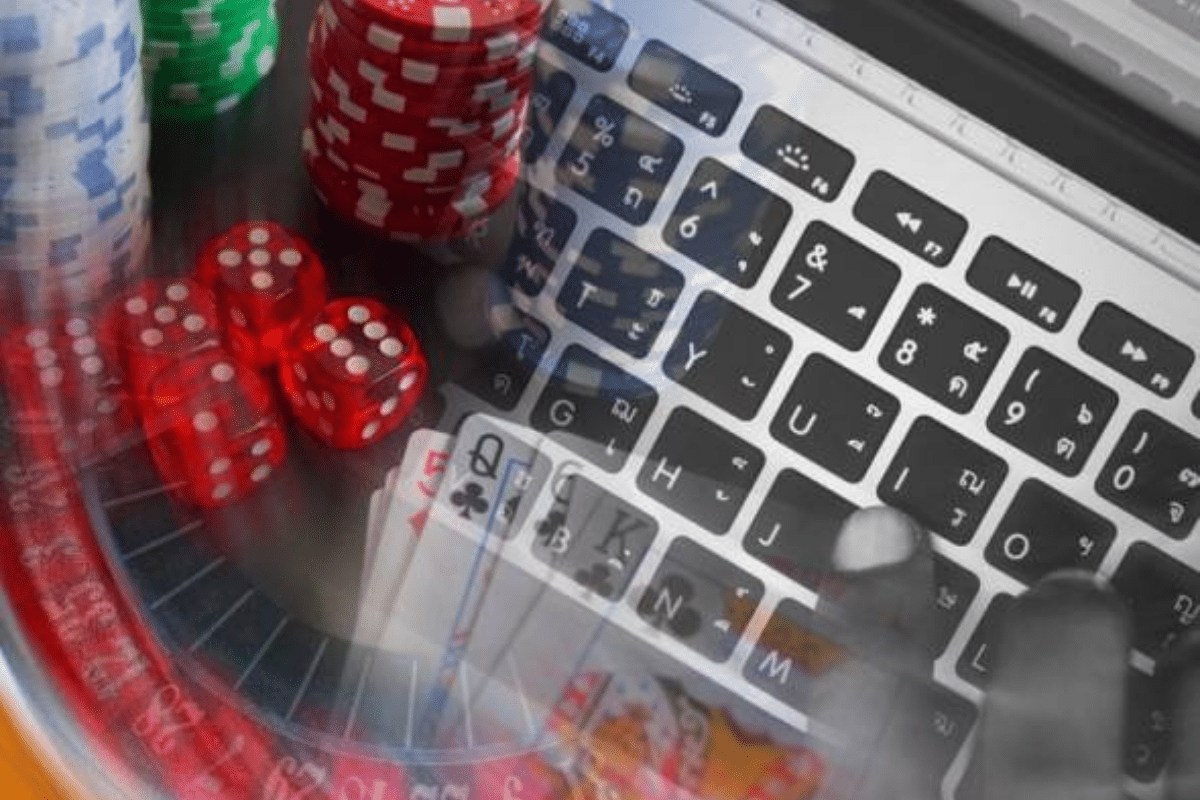
Gambling addiction does not look like addiction in the movies. There is no slurring, no stumbling, no track marks. It looks like a man checking football scores on his phone at dinner;looks like a woman who suddenly knows more about crypto than her husband does. It looks like a university student who won RM30,000 in a single night and told no one.
That invisibility is what makes it so dangerous. By the time the signs are obvious — the loan sharks calling, the savings gone, the family finding out — the problem has usually been running for years. In Malaysia, where problem gambling rates are higher than many of its neighbours and where online platforms are accessible around the clock, catching the early signs is not just helpful. It is the difference between a manageable problem and a destroyed family.
Why the Early Signs Are So Easy to Miss
Gambling disorder is classified under “Substance-related and addictive disorders” in the DSM-5, and its diagnostic criteria include preoccupation, tolerance, withdrawal, chasing losses, lying, and relying on others for financial help. But unlike substance addiction, gambling leaves no physical trace. As the clinical team at Salus in Cyberjaya puts it: “Gambling leaves no smell, no bottles and no marks, so the signs are mostly about money, time and honesty”.
That means the people closest to the gambler are often the last to know. And when they do suspect something, the gambler is usually already skilled at hiding it. A 2026 case reported by The Star illustrates the pattern. A university student who started with a RM100 target ended up losing RM100,000 over three years, borrowing from his parents, maxing out a credit card, taking a RM15,000 bank loan, and using cash-withdrawal features on mobile apps — all before he finally told his family.
The signs were there. They just were not the signs anyone was looking for.
The Behavioural Signs: What Changes First
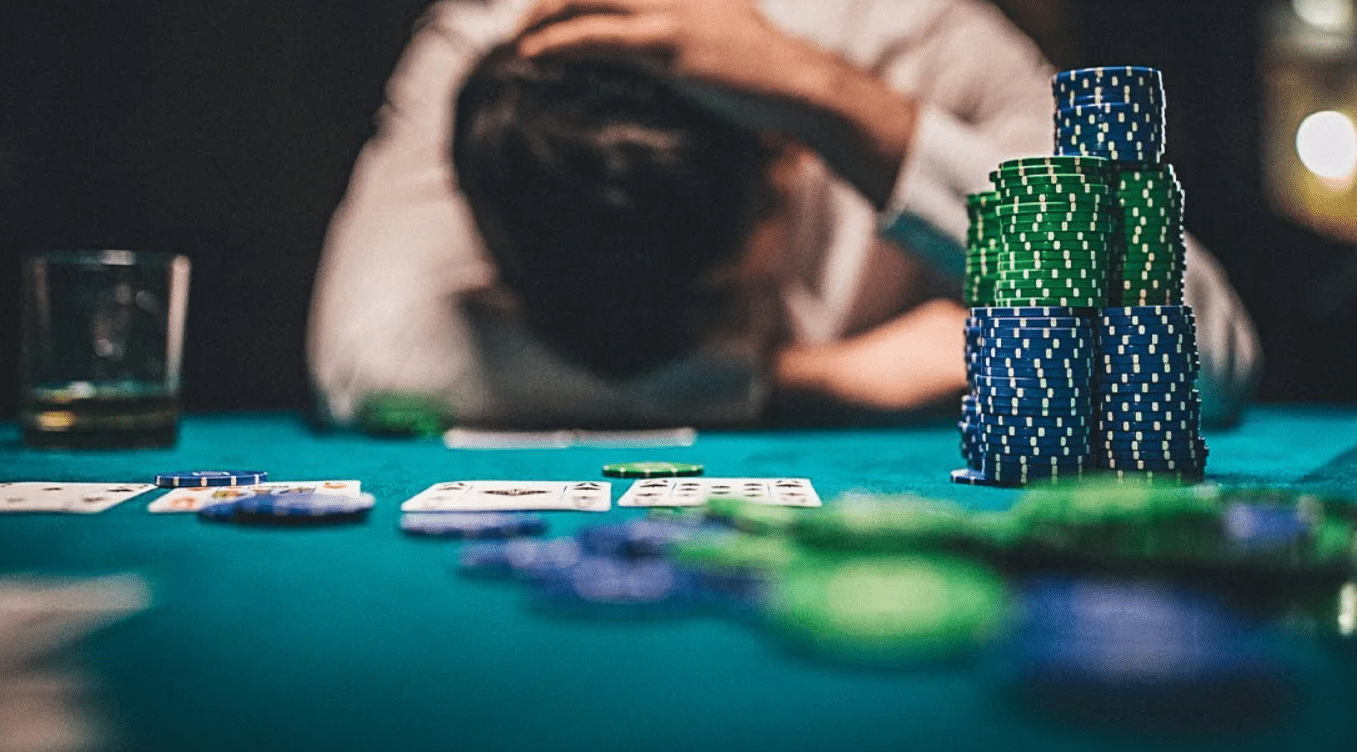
The earliest shifts are usually behavioural, and they tend to cluster around secrecy and time.
Mental health counsellor Dr Anasuya Jegathevi Jegathesan told The Star that families should watch for sudden secrecy about spending before, during, and after a betting event. “They may also suddenly sell their prized belongings before or during the event to fund their bets, which is a serious sign that the casual bet has gone beyond leisure,” she said. A severe sign, she added, is when a person begins trying to get loved ones or other people to start gambling as well.
Psychologist Dr Victor Goh, dean of Psychology at HELP University, pointed to a different cluster: becoming extremely money-minded or stingy towards expenses outside of gambling, and borrowing money during major tournaments. Consultant addiction psychiatrist Dr Joven Mailvaganam noted that stress — emotional or financial — is a common trigger, leading people to gamble as a coping mechanism and become obsessed with checking betting apps, odds, or match updates.
The clinical list from Salus adds late nights on slots, sports betting, or live casino apps, with sleep and work slipping; restlessness or a short temper when trying to cut down; and promises to stop that do not hold.
The Financial Signs: Where the Money Goes
Money is often the first place the damage becomes visible — but by the time it is visible, the problem is usually advanced.
Clinical guidance in Malaysia identifies spending more than intended, using money meant for household expenses, borrowing from others, and struggling to pay bills because of gambling losses. Chasing losses is another core sign: trying to win back lost money by gambling again, which creates a cycle where further losses lead to more gambling rather than a decision to stop. Hiding bank transactions, deleting betting histories, and becoming defensive when asked questions are also common.
The debt consequences can escalate quickly. A 19-year-old girl who borrowed RM1,000 from a loan shark to fund her gambling ended up RM30,000 in debt to 27 loan sharks and handed over her ATM cards to them; her accounts were later linked to transactions exceeding RM500,000 each. A 24-year-old plaster worker lost RM90,000 in two months during the movement control order and dragged his family into harassment by loan sharks.
These are not outlier cases. They are the predictable endpoint of a disorder that is allowed to run untreated.
The Emotional Signs: What the Gambler Feels
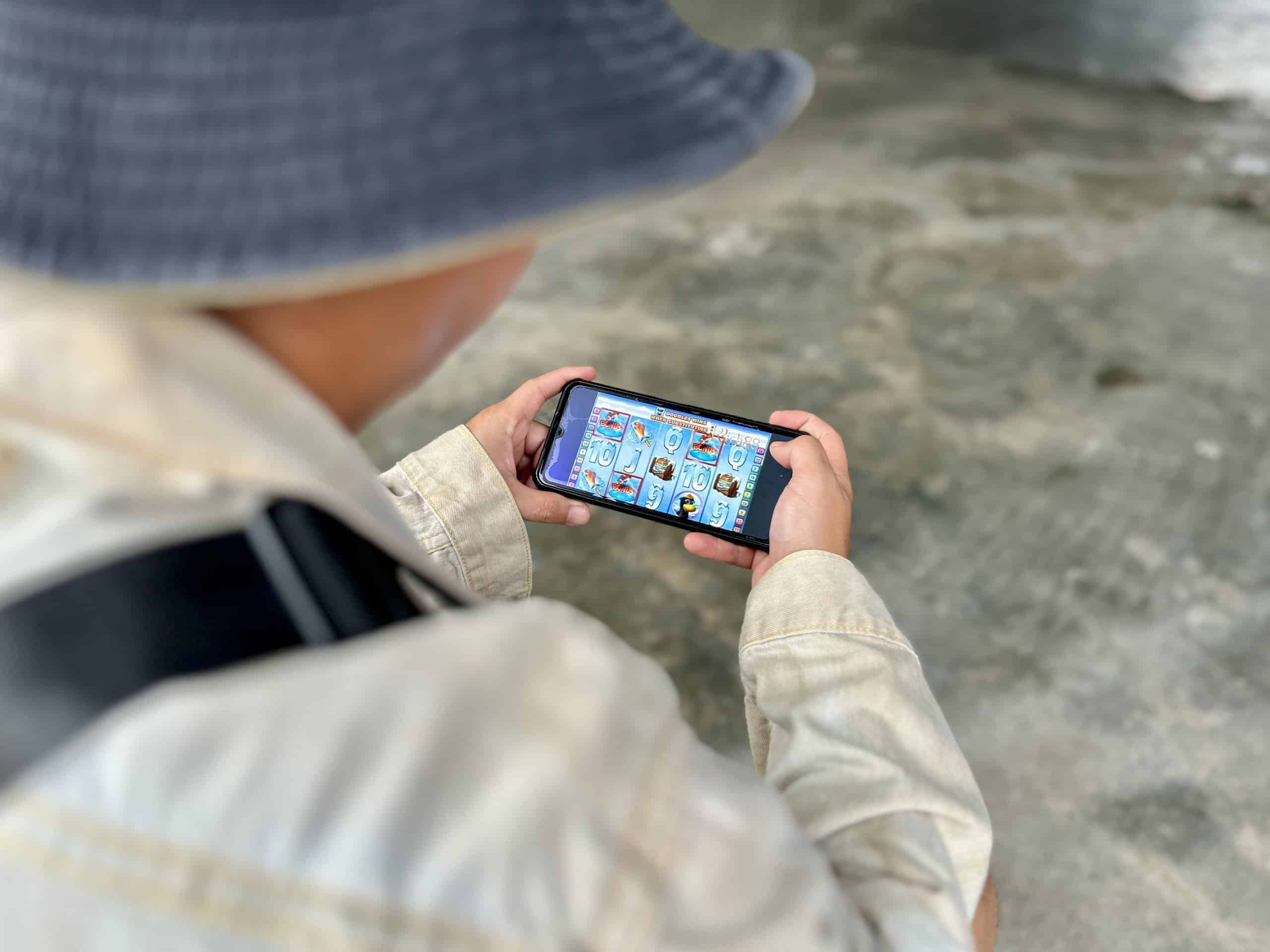
The emotional profile of problem gambling is often misunderstood. It is not primarily about greed or thrill-seeking. It is frequently about escape.
Green Wings, a Malaysian psychology practice, notes that some people gamble to escape stress, loneliness, anxiety, or difficult emotions, while others are drawn in by the excitement of uncertain outcomes or the belief that a win is just around the corner. The clinical signs include feeling anxious, irritable, or restless when trying to reduce or stop, and gambling to escape guilt, stress, or low mood — then feeling worse afterwards.
Dr Joven Mailvaganam described the pattern during major tournaments: “Those addicted will also display significant mood swings around matches and even begin to neglect other aspects of their lives”.
Who Is Most at Risk in Malaysia?
Two groups stand out in the Malaysian data: young people and people with high impulsivity.
Research has shown that adolescents with high impulsivity are three times more likely to develop problem gambling compared with their low-impulsivity peers during emerging adulthood. A 2015 study in Seremban found that 3.6% of adolescents were problem gamblers, and a 2013 Selangor study found that 4.4% of the general population were problem gamblers, with 10.2% at moderate risk. Compared with other Asian populations reporting problem gambling rates of 1.4% to 2.5%, Malaysia’s rates are noticeably higher.
The National Security Council has also flagged online gambling among youth as a growing social cancer, citing easy internet access, game variety, weak parental supervision, peer influence, and economic pressure as drivers. A 2020 study found that most active gamblers in Malaysia were online between 10pm and 3am, pointing to escapism as a major motivator.
What to Do If You Recognise These Signs
The first step is a professional assessment. Screening tools used in Malaysian research include the South Oaks Gambling Screen (SOGS), a 20-item questionnaire that assesses gambling severity and dependence, and the Problem Gambling Severity Index (PGSI). These are not diagnostic on their own, but they provide a structured way to understand whether a pattern has crossed from recreational to problematic.
Treatment in Malaysia is therapy-based, not medication-based. Salus runs a 90-day residential programme in Cyberjaya that includes medical, psychiatric, and psychological assessments, CBT for gambling-related beliefs, motivational interviewing, a practical plan for debt and money, and family sessions. The programme costs from RM7,000 per month, all-inclusive. Other options include Sanctuary Clinics in Bukit Jalil, Lucent Wellbeing in Petaling Jaya, and The Mind Faculty in Mont Kiara.
For people who are not ready for residential care, helplines are the lowest-barrier option. MIASA Crisis Helpline operates 24/7 and is free and confidential. Befrienders Kuala Lumpur offers 24-hour emotional support at 03-7627 2929. Talian HEAL 15555, the Ministry of Health’s psychosocial support line, operates from 8am to midnight daily and is staffed by counsellors trained to handle stress, anxiety, low mood, and thoughts of self-harm connected to gambling. Talian Kasih 15999 is available 24 hours. The Malaysian Mental Health Association (MMHA) can be reached at 03-2780 6803 or via WhatsApp at +6017 613 3039.
Licensed operators also run self-exclusion programmes. Genting Malaysia’s Self-Exclusion Programme allows guests to voluntarily prohibit their own participation in gaming, and participants do not receive promotional marketing materials. Magnum has partnered with MMHA to train employees on early identification of problem gaming and works with the Gambling Rehab Centre to support rehabilitation.
FAQ
What are the earliest signs of gambling addiction?
The earliest signs are usually secrecy about spending, borrowing money, chasing losses, lying about how much is being gambled, and becoming restless or irritable when trying to cut down. Selling personal belongings to fund bets is a particularly serious sign.
How common is gambling addiction in Malaysia?
Studies indicate that 4.4% of the Malaysian population are problem gamblers, with an additional 10.2% at moderate risk. A 2015 study in Seremban found 3.6% of adolescents were problem gamblers. These rates are higher than many other Asian countries.
What is the DSM-5 criteria for gambling disorder?
A diagnosis requires four or more of the following within a 12-month period: needing to gamble with increasing amounts, restlessness when trying to stop, repeated unsuccessful attempts to control gambling, preoccupation, gambling when distressed, chasing losses, lying, jeopardising relationships or opportunities, and relying on others for financial help.
Where can I get help for gambling addiction in Malaysia?
MIASA Crisis Helpline (24/7), Befrienders KL (03-7627 2929), Talian HEAL 15555 (8am–midnight), Talian Kasih 15999 (24 hours), and MMHA (03-2780 6803 / WhatsApp +6017 613 3039). Residential treatment is available at Salus in Cyberjaya and Sanctuary Clinics in Kuala Lumpur.
Can gambling addiction be treated without residential rehab?
Yes. Outpatient therapy, counselling, and helpline support are available. Treatment typically involves CBT, motivational interviewing, financial planning, and family sessions. Residential programmes are an option for more severe cases or where the home environment is not supportive.
Sources
- Salus — “Gambling Addiction Treatment in Malaysia,” 2026. salus.my.
- The Star — “Vital to catch signs of gambling addiction,” June 8, 2026. thestar.com.my.
- Green Wings — “Gambling Addiction in Malaysia: Signs to Watch for and Where to Get Help,” October 27, 2026. greenwings-psy.com.
- Bernama — “Gambling Addiction: A Growing Challenge Demanding a Multi-Pronged Solution,” April 23, 2025. web11.bernama.com.
- Monash Lens — “Why some problem gamblers can’t cut their losses,” September 12, 2024. lens.monash.edu.
- National Security Council (MKN) — “Barah Judi Atas Talian di Kalangan Belia Membimbangkan,” October 22, 2026. mkn.gov.my.
- The Star — “Online gambler lost RM100,000 over three years,” June 8, 2026. thestar.com.my.
- New Straits Times — “Teen gambling addict hands ATM cards to loan sharks to cover her debt,” February 17, 2025. nst.com.my.
- Find a Helpline — “Gambling helplines in Malaysia.” resources.findahelpline.com.
- Pokokpedia — “Responsible Gambling: limits, warning signs and help,” May 8, 2026. pokokpedia.com.
- See Hua Daily News — “24岁石膏装修工友沉迷线上赌博,” July 12, 2026. news.seehua.com.
- PMC — “Impulsivity, Gambling-Related Cognitions, Cognitive Reappraisal and Gambling Behaviour in a Malaysian Sample,” 2023. pmc.ncbi.nlm.nih.gov.
- DSM-5 diagnostic criteria for gambling disorder, as summarised in Malaysian clinical guidance.
- Genting Malaysia — Responsible Gaming / Self-Exclusion Programme. gentingmalaysia.com.
- The Star — “Magnum advances player well-being initiatives,” May 21, 2026. thestar.com.my.