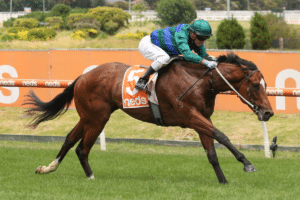
The Australian racing industry is a major contributor to the national economy, supporting tens of thousands of jobs and generating billions in annual wagering turnover. In March 2026, Racing Australia implemented a suite of new integrity measures aimed at strengthening the sport’s reputation and animal welfare standards.
This article provides the latest racing industry Australia statistics, regulatory updates, and news developments for the 2026 season.

Industry Overview – Racing’s Economic Footprint
According to Racing Australia’s 2025 Annual Report, the industry’s economic contribution remains substantial despite challenges from competing gambling forms.
Key economic indicators (2024-2025):
The industry also generates significant tax revenue for state governments, with racing taxes contributing approximately $1.2 billion annually across all jurisdictions.
| Metric | Value | Year |
|---|---|---|
| Total Wagering Turnover | $4.2 billion | 2024-2025 |
| Horse Racing Turnover | $2.5 billion | 2024-2025 |
| Jobs Supported | 82,000 FTE | 2024-2025 |
| Economic Contribution | $9.6 billion | 2024-2025 |
| Racing Taxes (State) | $1.2 billion | 2024-2025 |
New Integrity Rules for 2026
Racing Australia announced a comprehensive integrity package effective March 1, 2026. The changes follow a 12-month consultation period with industry stakeholders and animal welfare groups.
Key rule changes:
- Enhanced veterinary protocols – All horses must receive a pre-race veterinary examination within 24 hours of competition. Random post-race testing has been expanded by 40%.
- Stricter whip regulations – The permitted number of whip strikes before the final 100 meters has been reduced from 5 to 3. Whistleblower protections for jockeys reporting violations have been strengthened.
- Expanded prohibited substance testing – The list of banned substances has been updated to include 15 new performance-enhancing drugs and masking agents. Hair testing is now mandatory for all Group 1 race winners.
- Independent integrity unit – A new standalone integrity body, the Australian Racing Integrity Commission (ARIC) , has been established with independent investigative powers.
Industry response has been mixed. Leading trainers have expressed support for enhanced animal welfare measures but raised concerns about increased compliance costs. Jockeys’ associations have endorsed the whip rule changes as improving horse welfare.

Revenue and Wagering Statistics
Despite the growth of online sports betting, horse racing wagering has remained relatively stable. According to the Queensland Government Statistician’s Office (QGSO) , racing’s share of the total gambling market has declined slightly but remains significant.
Key observations:
- Racing turnover has grown in absolute terms but lost market share to sports betting
- Mobile wagering now accounts for 85% of racing bets (up from 70% in 2020)
- International betting on Australian racing has grown 25% year-over-year, driven by Hong Kong and UK markets
| Year | Racing Share | Sports Betting Share | Other Online |
|---|---|---|---|
| 2020-2021 | 29.7% | 22.7% | 47.6% |
| 2022-2023 | 25.9% | 26.6% | 47.5% |
| 2024-2025 | 24.7% | 28.2% | 47.1% |
Recent Industry News and Developments
March 2026 – Victorian Racing Integrity Act Amendment
The Victorian government passed amendments to the Racing Integrity Act, introducing criminal penalties for the use of electronic shocking devices (jiggers) on racehorses. Offenders face up to five years imprisonment and fines of $500,000 for individuals and $2.5 million for corporations.
February 2026 – Racing NSW Announces Prize Money Increase
Racing NSW confirmed a 15% increase in prize money for the 2026-2027 season, bringing the total annual prize purse to $280 million. The increase is funded by a new wagering tax agreement with Tabcorp.
January 2026 – Federal Inquiry Recommends Racing Exemption
The Parliamentary Joint Committee on Gambling Reform released its final report, recommending that horse racing be exempted from proposed online gambling advertising restrictions. The committee cited racing’s cultural significance and economic importance.
December 2025 – Golden Slipper Breaks Records
The 2025 Golden Slipper at Rosehill Gardens recorded $85 million in total wagering turnover, the highest for any Australian horse race in history. The event attracted a global audience of 2.3 million viewers across 45 countries.
November 2025 – International Racehorse Imports Surge
Data from Racing Australia showed a 40% increase in imported racehorses during 2025, primarily from Ireland, the United Kingdom, and New Zealand. The trend is driven by expanded quarantine capacity and streamlined import protocols.
What Are the New Racing Integrity Rules for 2026?
Q1: What is the total economic contribution of Australia’s racing industry? ▼
The racing industry contributes approximately $9.6 billion annually to the Australian economy and supports over 82,000 full-time equivalent jobs across all states and territories.
Q2: What integrity rules took effect in March 2026? ▼
New rules include enhanced veterinary protocols, stricter whip regulations (reduced from 5 to 3 strikes), expanded prohibited substance testing, and a new independent integrity commission (ARIC).
Q3: How much wagering turnover does horse racing generate annually? ▼
Horse racing generates approximately $2.5 billion in annual wagering turnover, representing 60% of total racing turnover and 24.7% of the total Australian gambling market.
Q4: What recent news affects the racing industry? ▼
Recent developments include Victorian criminal penalties for jigger use, Racing NSW prize money increases, and a federal inquiry recommending racing exemptions from advertising restrictions.
Q5: How has racing’s market share changed compared to sports betting? ▼
Racing’s share of the gambling market has declined from 29.7% in 2021 to 24.7% in 2025, while sports betting has grown from 22.7% to 28.2% over the same period.