- ▸ Legal Framework – Common Gaming Houses Act 1953 and Betting Act 1953
- ▸ Penalties for Illegal Gambling – Fines and Imprisonment
- ▸ New Gambling Bill – Drafting a Comprehensive Online Gambling Law
- ▸ 2026 Enforcement Actions – Op Angsa and Nationwide Raids
- ▸ Gambling Taxation – Betting Duty and Gaming Taxes
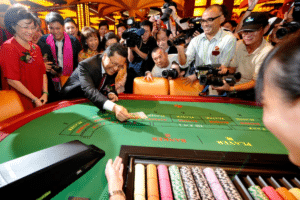
Gambling in Malaysia is heavily restricted. The country’s legal framework dates back to the 1950s, and the laws distinguish between licensed and unlicensed gambling. Only a few forms of gambling are legally permitted. These include the state-owned lottery operator, certain licensed betting shops, and the single casino located at Resorts World Genting.
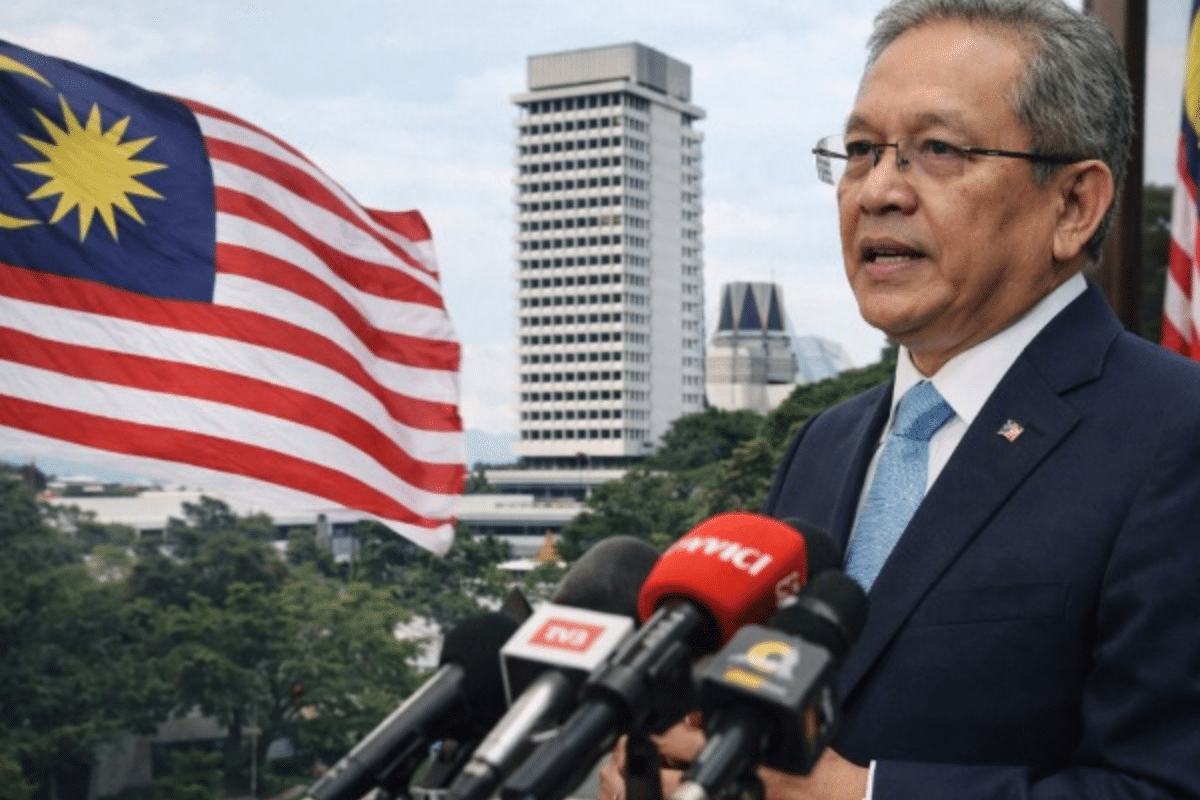
All other forms of gambling, including most online casinos, sports betting platforms, and unlicensed gambling dens, are strictly illegal. The government treats unlicensed gambling as a serious criminal offence. In 2026, Malaysia has intensified its crackdown on illegal online gambling. Prime Minister Datuk Seri Anwar Ibrahim has stated that the government will continue to intensify efforts to combat illegal gambling activities in the country.
This article explains Malaysia’s gambling laws, the penalties for offenders, the proposed new legislation, recent enforcement actions, and the taxation framework for legal gambling operators.

Legal Framework – Common Gaming Houses Act 1953 and Betting Act 1953
Two main pieces of legislation form the foundation of Malaysia’s gambling laws. The first is the Common Gaming Houses Act 1953 (CGHA). This law prohibits common gaming houses, public gaming, and public lotteries. The law declares all common gaming houses a nuisance and prohibits them. Under Section 6(1) of the CGHA, the authorities can charge any person found in a gaming house. The Act also criminalises operating a gaming house.
The second key law is the Betting Act 1953. This Act suppresses betting houses and betting in public places. It prohibits book‑making and the operation of betting establishments.
These two Acts were enacted when gambling was primarily a physical activity. They do not explicitly address online gambling, which has created legal gaps. However, Malaysian courts have interpreted existing provisions to cover online activities, and the government has relied on the CGHA to prosecute online gambling operators. In 2026, the government is drafting a new bill to specifically tackle online gambling. The proposed law may be introduced as a new standalone act or as amendments to the Common Gaming Houses Act 1953.
Sharia law also prohibits gambling for Muslims. It considers gambling haram (forbidden), and enforces it with extra care to respect religious sensitivities. The dual legal system – civil and Sharia – means that Muslim gamblers may face additional consequences under religious law.
Key Malaysian Gambling Laws
| Law | Year Enacted | Key Provisions |
|---|---|---|
| Common Gaming Houses Act | 1953 | Prohibits unlicensed gaming houses, public gaming, and public lotteries. Criminalises operating a gaming house and being found inside one.[reference:7][reference:8] |
| Betting Act | 1953 | Suppresses betting houses and book‑making. Prohibits betting in public places.[reference:9] |
Penalties for Illegal Gambling – Fines and Imprisonment
The penalties for gambling offences vary depending on the specific charge and the role of the offender. Malaysia distinguishes between players, operators, and those who facilitate gambling.
For players (Section 6(1) of the CGHA): A person caught in an unlicensed gaming house can be fined up to RM5,000, imprisoned for up to six months, or both. This is the standard charge for individual gamblers. In a recent case, a 21‑year‑old man was fined RM3,000 for online gambling at a shop.
For operators (Section 4B(a) of the CGHA): Operating an illegal gambling den carries much heavier penalties. Convicted operators face a fine of RM10,000 to RM100,000, imprisonment of up to five years, or both. In February 2026, police arrested a man suspected of operating an online gambling business. He faces a maximum fine of RM100,000 and up to five years in jail if convicted.
For organisers of online gambling syndicates: The penalties are even more severe. Depending on the charges filed, organisers can face multiple counts, each carrying separate penalties. Syndicate members who handle finances, manage servers, or recruit players are also subject to prosecution under relevant sections of the CGHA and other laws such as the Immigration Act.
For related offences: Police also use other laws to prosecute gambling‑related activities. These include the Immigration Act 1959/63 for foreigners involved in gambling syndicates. The court can fine offenders up to RM10,000, imprison them for up to five years, and cane them.

New Gambling Bill – Drafting a Comprehensive Online Gambling Law
On 15 February 2026, Deputy Prime Minister Datuk Seri Fadillah Yusof announced that the government is drafting a new bill to tackle illegal gambling activities, including online gambling. Lawmakers are preparing the bill amid growing concerns over the social impact of online gambling and the need for a more comprehensive legal framework.
The proposed law has not yet been given a specific name. It is still under review. The government has not decided whether to introduce it as a new standalone act or incorporate the changes as amendments to existing legislation, such as the Common Gaming Houses Act 1953.
Once enacted, the law would strengthen enforcement mechanisms, particularly for online gambling. It would facilitate more effective action by the police and other relevant authorities. Among the proposals were to incorporate provisions on online gambling offences into a proposed Cyber Crime Bill.
The bill is expected to be tabled in the Dewan Rakyat (the lower house of Parliament) as early as the next sitting, subject to the bill’s readiness. This represents a significant step forward in Malaysia’s efforts to regulate online gambling, which has grown rapidly in recent years.
Prime Minister Anwar Ibrahim has noted the challenges of enforcement. He stated that online gambling operators are sometimes based overseas, and they can open and shut operations quickly, making it difficult for authorities to take effective action. The new bill is expected to address these challenges by empowering authorities to take action against offshore operators and financial facilitators.
Gambling Penalties in Malaysia (2026)
| Offence | Legal Provision | Maximum Penalty |
|---|---|---|
| Player in unlicensed gaming house | Section 6(1) CGHA | Fine up to RM5,000, 6 months’ jail, or both[reference:21] |
| Operator of illegal gambling den | Section 4B(a) CGHA | Fine RM10,000–RM100,000, up to 5 years’ jail, or both[reference:22] |
| Owner of gambling premises | Section 6(1) CGHA | Fine up to RM5,000, 6 months’ jail, or both |
| Foreigner involved in gambling syndicate | Immigration Act 1959/63 | Fine up to RM10,000, up to 5 years’ jail, caning[reference:23] |
2026 Enforcement Actions – Op Angsa and Nationwide Raids
The Royal Malaysia Police (PDRM) has conducted several major operations against illegal gambling in 2026.
Op Angsa (February 2026): On 11 February 2026, police launched a special operation codenamed “Op Angsa” (Swan Operation). The operation targeted individuals and companies involved in developing backend systems for online gambling, operating online gambling platforms, and designing gambling promotional content. The syndicate operated both domestically and internationally.
The simultaneous raid took place at 17 locations, including business and residential premises in Kuala Lumpur, Selangor, and Penang. Police arrested 388 individuals. The operation resulted in the seizure of luxury cars, watches, and other assets.
Other operations: In March 2026, police arrested 67 individuals in raids on 13 gambling dens in Selangor and Sabah. Authorities investigated the suspects under Section 4B(a), 4(1)(c) and 6(1) of the Common Gaming Houses Act 1953.
Johor online gambling syndicate: In April 2026, the Johor Immigration Department dismantled an online gambling syndicate generating about RM900,000 in monthly profits. The raid took place in Iskandar Puteri, and authorities arrested 452 individuals for various immigration offences.
Government commitment: Prime Minister Anwar Ibrahim has stressed that the government will continue to intensify efforts to combat illegal gambling activities. He noted that enforcement actions taken so far have resulted in seizures amounting to billions of ringgit. The government is also focusing on enhancing public accountability and awareness regarding actions that contravene the country’s laws.
Gambling Taxation – Betting Duty and Gaming Taxes
Malaysia imposes taxes on legal gambling operators. In 2026, the government raised the betting duty on gaming companies from 6% to 8%. The effective rate is now 7.36%, up from 5.52% previously. Casino duties were increased to 35% from 25% on gross gaming income. Gaming machine duties rose to 30% from 20% on gross collection.
Gaming taxes contribute significantly to government revenue. Genting Malaysia alone contributes over RM1 billion a year in taxes. Number forecast operators (NFOs) also pay gaming tax, pool betting duty, and sales and service tax. Gambling is categorised as a “sin tax” sector, alongside tobacco and alcohol. The government uses these taxes both to raise revenue and to discourage excessive consumption. As enforcement against illegal gambling intensifies, the government also seeks to capture revenue from the underground market through the proposed new gambling bill.

Malaysia’s gambling laws are strict and apply to both physical and online gambling. The Common Gaming Houses Act 1953 and the Betting Act 1953 remain the primary legal instruments, but the government is actively drafting new legislation to address online gambling more comprehensively. In 2026, Malaysia has intensified enforcement, with major operations like Op Angsa resulting in hundreds of arrests and millions of ringgit in seizures.
Players caught gambling illegally face fines up to RM5,000 and up to six months in jail. Operators face fines up to RM100,000 and up to five years in prison. The proposed new bill will strengthen these penalties and give authorities more tools to target offshore operators and financial facilitators. For Muslims, gambling is also prohibited under Sharia law, adding another layer of restriction.
As the government prepares to table the new gambling bill in Parliament, Malaysia’s legal framework for gambling is about to undergo its most significant change in decades.
Sources: Common Gaming Houses Act 1953, Betting Act 1953, Bernama, Oriental Daily, The Star, New Straits Times, The Edge Malaysia, Free Malaysia Today
Is Gambling Legal in Malaysia?
Q1: What forms of gambling are legal in Malaysia? ▼
Only a few forms of gambling are legal. These include the state‑owned lottery operator, certain licensed betting shops, and the single casino at Resorts World Genting. All other forms, including most online casinos and unlicensed betting, are illegal.
Q2: What is the penalty for illegal gambling in Malaysia? ▼
Penalties depend on the offence. Players face fines up to RM5,000 and up to six months’ jail under Section 6(1) of the Common Gaming Houses Act 1953[reference:33]. Operators face fines of RM10,000 to RM100,000 and up to five years’ jail under Section 4B(a)[reference:34].
Q3: Is online gambling legal in Malaysia? ▼
No. Online gambling is generally illegal in Malaysia. The government is drafting a new bill to specifically address online gambling. The proposed law aims to strengthen enforcement against online gambling operators[reference:35].
Q4: What is the new gambling bill about? ▼
The government is drafting a new bill to tackle illegal gambling, including online gambling. It may be introduced as a new standalone act or as amendments to the Common Gaming Houses Act 1953. It is expected to be tabled in Parliament in 2026[reference:36].
Q5: Can Muslims gamble in Malaysia? ▼
Gambling is prohibited for Muslims under Sharia law. Gambling is considered haram (forbidden). Enforcement is handled with extra care to respect religious sensitivities. Muslims who gamble may face consequences under both civil and religious law[reference:37].