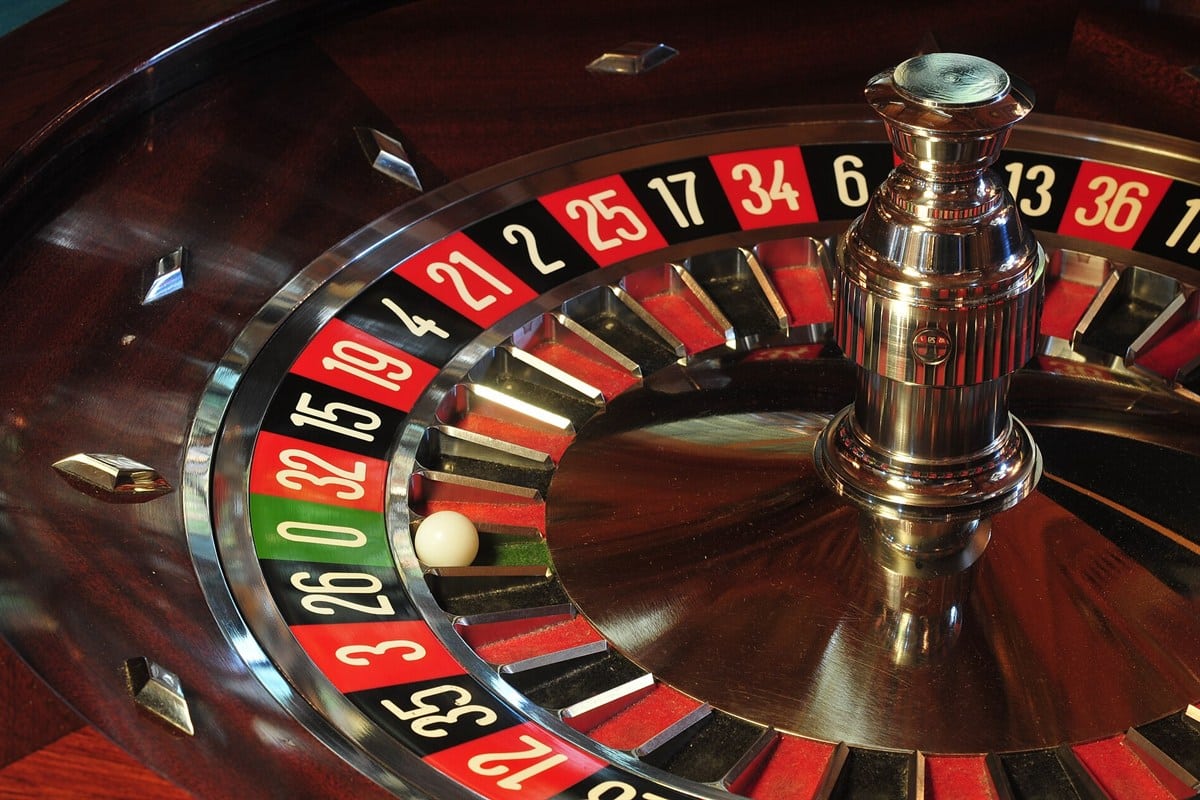
A roulette wheel is a precision-engineered revolving mechanism with numbered, colour-coded pockets that determines the outcome of each spin in the classic table game of roulette. Specifically, this reference guide explains the physical components of the wheel, compares European and American layouts, and details the exact sequence of pockets. Furthermore, it provides a mathematical breakdown of spin probabilities. Standard international gaming regulations and official operator documentation provide all technical specifications on this page, while periodic updates reflect the latest official announcements.
Core Components and Physical Structure of a Roulette Wheel
Every standard roulette wheel consists of a stationary outer bowl and a rotating central rotor with individual numbered pockets. Consequently, manufacturers construct these components to strict mechanical tolerances so that no single pocket holds a physical bias over another during normal operation.
Six Primary Parts of the Wheel Assembly
Specifically, from the outer rim to the centre of the mechanism, the wheel contains six primary structural elements:
- Bowl (Static Outer Casing): First, this heavy wooden or composite housing supports the internal bearing assembly and holds the inclined ball track along its upper lip.
- Ball Track: Second, this smooth, slightly recessed lip inside the upper bowl guides the ball as the croupier releases it in the direction opposite to the spinning rotor.
- Deflectors (Canoes or Diamonds): Third, these metal obstacles sit in alternating vertical and horizontal orientations between the ball track and the rotor. As the ball loses momentum and drops from the track, it strikes these deflectors; therefore, the impact introduces additional mechanical randomness before the ball reaches the pockets.
- Rotor (Wheel Head): Fourth, this spinning inner disc rests on a low-friction central spindle. Moreover, the rotor houses the numbered ring and the pocket separators.
- Frets (Pocket Separators): Fifth, these thin metal or plastic dividers sit between adjacent pockets and prevent the ball from sliding smoothly around the pocket ring.
- Turret (Cone): Finally, this raised decorative cylinder sits at the exact centre of the rotor, allowing the croupier to spin the wheel head evenly by hand while concealing the spindle lock.
Structural Differences Between European and American Roulette Wheels
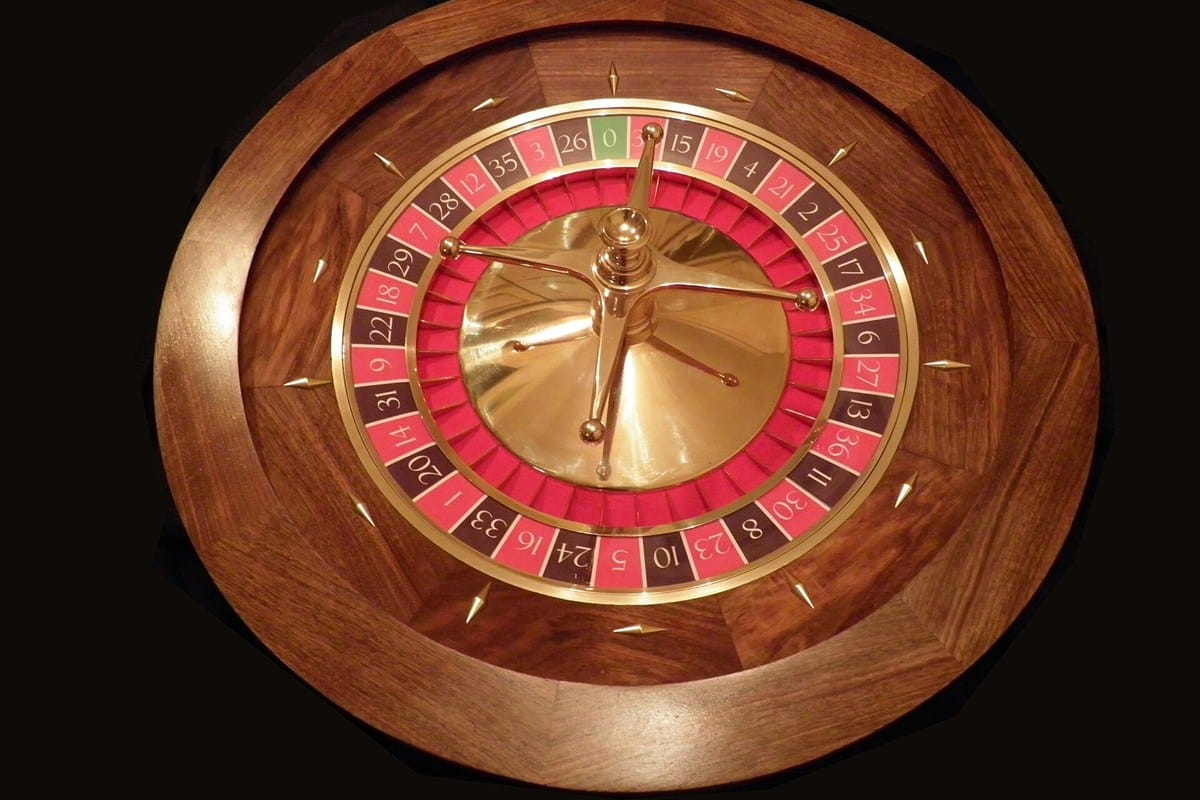
The primary structural difference between a European and an American roulette wheel lies in the total number of green zero pockets on the rotor. Specifically, a European wheel features 37 pockets with a single zero (0), whereas an American wheel features 38 pockets with both a single zero (0) and a double zero (00).
In addition, adding the extra 00 pocket on the American layout changes both the physical spacing of the frets and the clockwise ordering of numbers around the rim. While both variants contain the numbers 1 through 36 in 18 red pockets and 18 black pockets, the second green pocket increases the total denominator of possible outcomes from 37 to 38.
Comparison Table: Single-Zero vs Double-Zero Layouts
| Feature | European Layout (Single Zero) | American Layout (Double Zero) |
|---|---|---|
| Total Pockets | 37 pockets | 38 pockets |
| Zero Pockets (Green) | 1 pocket (0) | 2 pockets (0 and 00) |
| Red / Black Pockets | 18 Red, 18 Black (1–36) | 18 Red, 18 Black (1–36) |
| Single-Number Probability | 1 in 37 (approx. 2.70%) | 1 in 38 (approx. 2.63%) |
| Even-Money Category Probability | 18 in 37 (approx. 48.65%) | 18 in 38 (approx. 47.37%) |
| Number Sequence Arrangement | Non-consecutive balanced sequence | Paired opposite sequence |
Similarly, French table layouts utilise the exact same 37-pocket single-zero physical wheel as the European version. However, differences between European and French variants appear on the table felt terminology and specific zero-pocket rule clauses (such as La Partage or En Prison), which remain subject to official operator rules.
How Roulette Numbers Are Distributed Across the Wheel
Wheel manufacturers arrange the roulette numbers on a standard rotor in a carefully balanced non-sequential order rather than numerical order from 1 to 36. Consequently, this mathematical distribution alternates colours, high and low values, and odd and even values to maintain uniform balance across every sector of the rotor.
On both wheel variants, red and black pockets strictly alternate around the circumference, except where the green zero pocket or pockets sit. Nevertheless, the European and American sequences differ in how they balance high numbers (19–36) and low numbers (1–18).
European vs American Clockwise Number Sequences
- European Clockwise Sequence (37 Pockets):
0 – 32 – 15 – 19 – 4 – 21 – 2 – 25 – 17 – 34 – 6 – 27 – 13 – 36 – 11 – 30 – 8 – 23 – 10 – 5 – 24 – 16 – 33 – 1 – 20 – 14 – 31 – 9 – 22 – 18 – 29 – 7 – 28 – 12 – 35 – 3 – 26
On a European rotor, high and low numbers alternate with almost complete consistency. However, one exception occurs where two low numbers sit adjacent to each other: the pair5(red) and10(black) sits directly opposite the0pocket. - American Clockwise Sequence (38 Pockets):
0 – 28 – 9 – 26 – 30 – 11 – 7 – 20 – 32 – 17 – 5 – 22 – 34 – 15 – 3 – 24 – 36 – 13 – 1 – 00 – 27 – 10 – 25 – 29 – 12 – 8 – 19 – 31 – 18 – 6 – 21 – 33 – 16 – 4 – 23 – 35 – 14 – 2
In contrast, on an American rotor,0and00sit directly opposite each other (180 degrees apart). Furthermore, every number sits directly across the centre from its consecutive upward neighbour; for example,1sits directly opposite2, and35sits directly opposite36.
Roulette Wheel Probability Chart and Statistical Independence
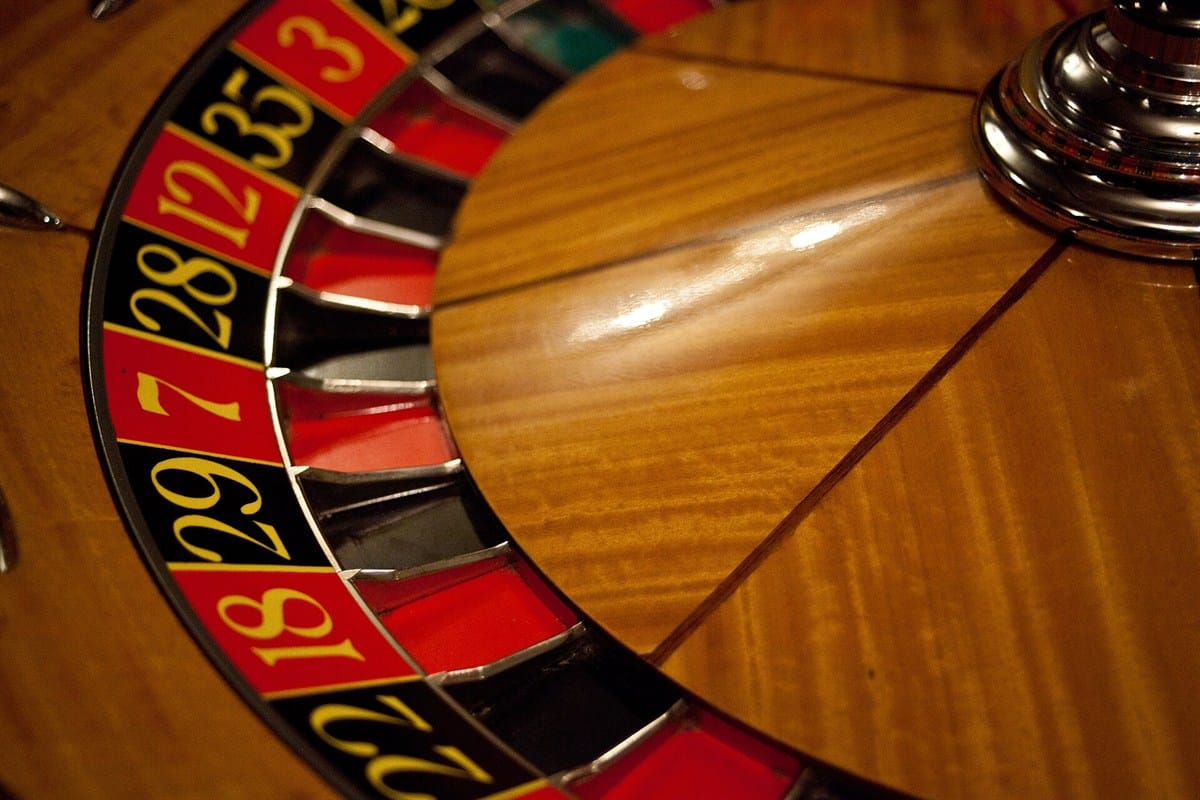
Every spin of a certified roulette wheel represents an independent statistical event that depends strictly on the total number of physical pockets on the rotor. Therefore, past results, hot or cold number charts, and previous colour streaks have zero mathematical influence on the next spin.
Because the wheel and ball have no memory, the probability of the ball landing in any specific pocket resets identically on every single revolution. For instance, if a European wheel lands on a black pocket ten consecutive times, the probability of landing on black on the eleventh spin remains exactly 18 out of 37 (48.65%). In short, historical tracking boards next to tables serve purely as historical records and cannot predict future outcomes.
Mathematical Odds by Outcome Category
Accordingly, the table below outlines the mathematical probabilities for standard number groupings across both 37-pocket and 38-pocket wheels. Meanwhile, specific payout structures and rule variations always depend on the official rulebook from the licensed operator.
| Outcome Category | Numbers Covered | European Probability (37 Pockets) | American Probability (38 Pockets) | Official Payout Structure |
|---|---|---|---|---|
| Straight Up (Single Number) | 1 number | 1 / 37 (2.70%) | 1 / 38 (2.63%) | Subject to official operator rules |
| Split (Two Adjacent Numbers) | 2 numbers | 2 / 37 (5.41%) | 2 / 38 (5.26%) | Subject to official operator rules |
| Street (Three-Number Row) | 3 numbers | 3 / 37 (8.11%) | 3 / 38 (7.89%) | Subject to official operator rules |
| Corner (Four-Number Square) | 4 numbers | 4 / 37 (10.81%) | 4 / 38 (10.53%) | Subject to official operator rules |
| Six Line (Double Street) | 6 numbers | 6 / 37 (16.22%) | 6 / 38 (15.79%) | Subject to official operator rules |
| Dozen / Column | 12 numbers | 12 / 37 (32.43%) | 12 / 38 (31.58%) | Subject to official operator rules |
| Red / Black, Odd / Even, High / Low | 18 numbers | 18 / 37 (48.65%) | 18 / 38 (47.37%) | Subject to official operator rules |
Data Sources and Official Rule Verification
Standard international gaming equipment specifications and official operator rulebooks provide all technical parameters, wheel dimensions, and mathematical probabilities in this guide. Because individual table configurations and rule clauses vary by jurisdiction, readers should always consult the official announcement or rule guide of the respective licensed operator as the final authority.
FAQs About the Roulette Wheel: What You Need to Know
Q1: How many pockets are on a standard roulette wheel?
A standard European roulette wheel has 37 pockets, which include numbers 1 through 36 and a single green 0 pocket. In contrast, an American wheel has 38 pockets because it includes an additional green 00 pocket directly opposite the single 0.
Q2: Why are roulette numbers not arranged in numerical order?
Wheel manufacturers arrange the roulette numbers on a rotor in a non-sequential mathematical pattern. Consequently, this layout distributes red and black colours, odd and even values, and high (19–36) and low (1–18) values evenly around the circumference, which prevents numerical clustering in any single wheel sector.
Q3: Can past spin statistics predict the next outcome in roulette?
No, historical statistics and past spin records cannot predict the next outcome in roulette. Instead, each spin of the rotor and ball acts as an independent mechanical and mathematical event; therefore, the probability of hitting any pocket remains constant at 1 in 37 (European) or 1 in 38 (American) on every spin.
Q4: How can players verify the official wheel type and rules?
Players can verify whether a table uses a 37-pocket single-zero layout or a 38-pocket double-zero layout by inspecting the zero pockets on the diagram and reading the official game specification sheet from the licensed operator. Ultimately, official operator announcements always govern payout structures and zero-pocket rules.
Overall, understanding the mechanical layout and pocket distribution of a roulette wheel clarifies how the 37-pocket European format differs mathematically from the 38-pocket American format. For complete rules on other classic table formats and probability breakdowns, verify on the official operator website or explore related guides in the Casino Games Hub. Finally, play responsibly. Participation is restricted to those of legal age.