
When Australians think of problem gambling, they often picture young men betting on sports or middle-aged workers losing their pay at the pub. But the data tells a different story. Older Australians – those aged 55 and above – gamble more frequently, spend more money per person, and are at greater risk of gambling harm than any other demographic.
Recent research from the Australian Institute of Health and Welfare (AIHW) and Gambling Research Australia paints a concerning picture of senior gambling trends. With the Australian population ageing rapidly, understanding these patterns is more important than ever. This article examines participation rates, expenditure, the shift to online gambling, and the hidden costs of senior gambling in 2026.
Video Resource
Senior Gambling Participation Rates – Higher Than Any Other Age Group
Contrary to popular belief, gambling participation is highest among older Australians, not the young. According to the Victorian population gambling and health study (2018-2019), participation was highest among people aged 65 to 74 years at 78%, compared to just 52.4% for people aged 18 to 24. More recent national data confirms that men, older age groups and those with lower levels of education have consistently higher rates of gambling participation than younger cohorts.
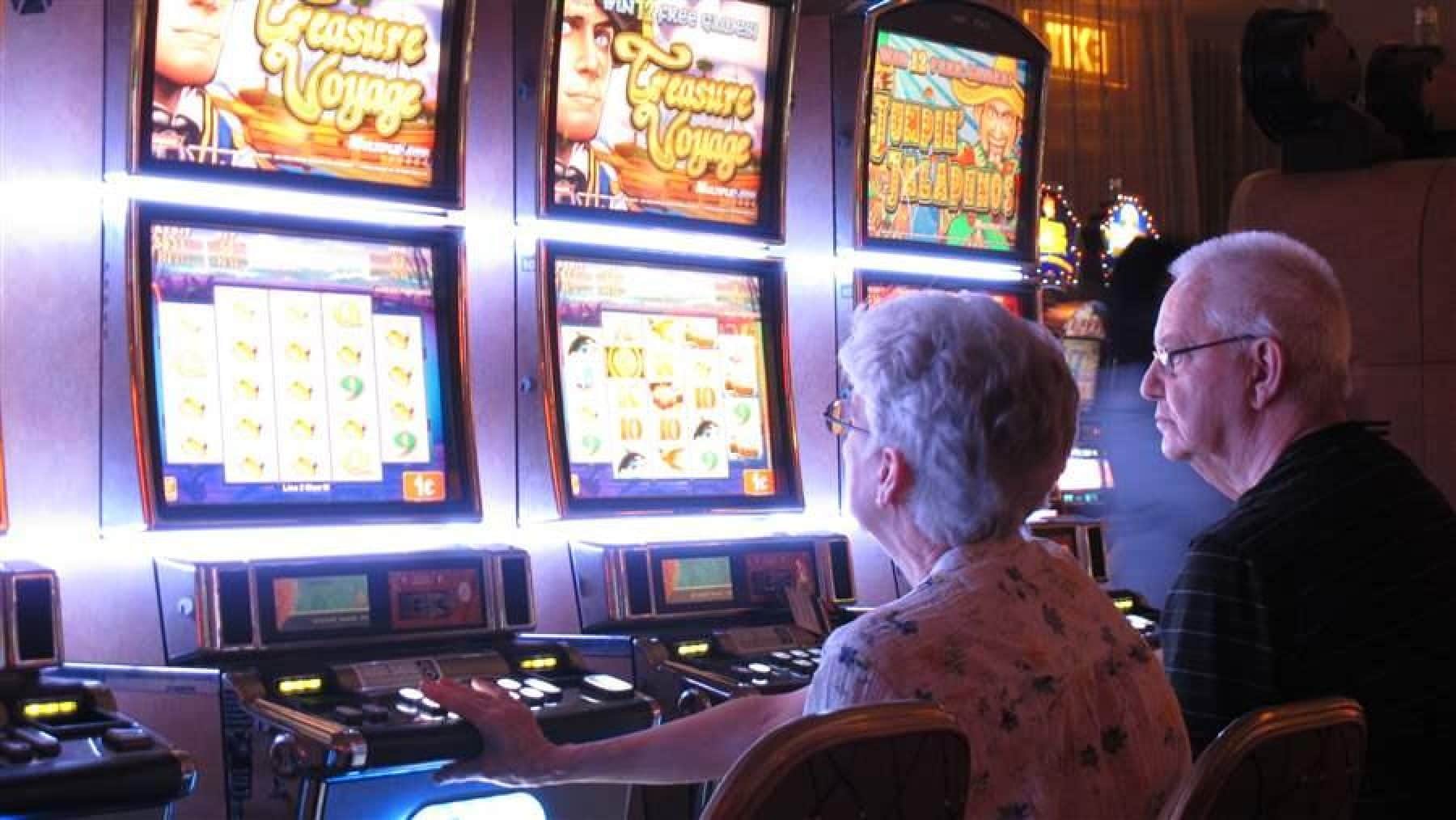
The types of gambling favoured by seniors differ from younger generations. Over 23% of older Australians play poker machines, compared to only 16% of the general adult population. More than 63% of older Australians participate in lottery games. Race betting also remains popular among this demographic.
While overall gambling participation in Australia has declined from 65.6% in 2019 to 58.8% in 2025, older adults have not followed this trend as dramatically. Their gambling habits have proven more resistant to change, partly because their preferred forms – pokies and lotteries – are deeply embedded in local clubs and newsagents that survived the pandemic largely intact.
Gambling Participation by Age Group
| Age Group | Participation Rate | Primary Gambling Type |
|---|---|---|
| 18-24 years | 52.4% | Sports betting, online casino |
| 65-74 years | 78.0% | Pokies, lotteries, racing |
| 55+ years (general) | Highest among all groups | Pokies (23%+), lotteries (63%+) |
Expenditure and Losses – The Financial Toll on Older Australians
The financial impact of gambling on older Australians is staggering. Australia’s total annual gambling losses have reached $31.5 billion, with per-capita expenditure jumping from $1,200 a decade ago to $1,527 today. Older adults contribute disproportionately to these figures.
A survey by Gambling Research Australia found that players over 55 typically deposit $50 to $100 per session. While this may seem modest compared to high-rollers, the frequency of play among seniors is much higher. Many older Australians visit gaming venues multiple times per week, treating pokies as a regular social activity rather than an occasional indulgence.
The concentration of poker machines in areas with high senior populations is particularly concerning. New South Wales alone has over 95,000 poker machines, many located in clubs that actively market to older residents through free meals, entertainment and shuttle buses. These promotions make gambling easily accessible but can also exploit the vulnerabilities of older people, including loneliness and fixed incomes.
For retirees living on pensions, regular gambling losses can quickly erode savings meant to last decades. Unlike younger gamblers who have time to recover financially, seniors have limited capacity to replenish lost funds, making each dollar lost more consequential.
The Shift to Online – Seniors Are Gambling on Their Phones
While pokies remain the dominant form of gambling for seniors, online gambling is growing rapidly among older Australians. According to the Royal College of Psychiatrists, significantly more people aged 65 and over engage in online gambling at least once a month compared to 2019.
ANU research has found a clear long-term shift away from venue-based gambling to activities readily available online, such as sports betting. Older Australians who once only played pokies at their local club are now exploring online betting platforms. This trend accelerated during the pandemic when physical venues were closed.
However, seniors approach online gambling differently than younger generations. Players over 55 are the least likely to try new payment tools. They prefer familiar methods like Visa, Mastercard or bank transfers, and are often hesitant to adopt newer options like PayID due to concerns about scams. Their average deposit is higher than younger players ($50–$100), but they are more patient with withdrawal delays, prioritising trust over instant access.
Gambling Research Australia has noted that older punters who grew up on traditional pokies at RSL clubs tend to prefer simpler game designs and recognisable symbols, while younger players chase complex bonus features and multipliers. This generational divide in game preferences influences how online casinos design their offerings for different segments of the Australian market.
Generational Differences in Gambling Behaviour
| Age Group | Preferred Format | Average Deposit | Trust in New Payment Tools |
|---|---|---|---|
| 55+ (Boomers) | Land-based pokies, lotteries | $50–$100 | Low |
| 35-54 (Gen X) | Mix of land-based and online | $40–$80 | Medium |
| 18-34 (Millennials & Gen Z) | Mobile, online sports betting | $5–$40 | High |
Gambling Harm and the Outlook for 2026 and Beyond
The most concerning trend in senior gambling is the high rate of harm. Approximately 33% of men and 23% of women aged 55 or older are at risk of experiencing gambling harm, according to AIHW data. This means one in three older male gamblers is already showing signs of problem gambling or is at significant risk.
Older adults are at increased risk of gambling harm partly due to their use of electronic gambling machines, which are designed for continuous play and rapid bet placement. Research has found that older adults often believe they are implementing responsible gambling practices, but this perception may actually be increasing their susceptibility to harm.
Several factors make seniors particularly vulnerable. Social isolation is a major driver – over 27% of retired Australians report feeling lonely, and gaming venues often become primary sources of social interaction. The ease of access to pokies and the targeted promotions from clubs further compound the problem.
Looking ahead, Australia’s ageing population suggests senior gambling will become an even more significant public health issue. The federal government has expanded BetStop, the national self-exclusion register, with over 49,000 Australians registered as of early 2026. However, awareness among seniors remains limited, and many older gamblers continue to fall through the cracks of harm prevention systems.
Addressing senior gambling harm will require a multi-pronged approach: stronger venue regulations, better training for club staff to identify at-risk older patrons, and increased funding for alternative social activities that provide the community connection seniors currently seek in gaming venues.
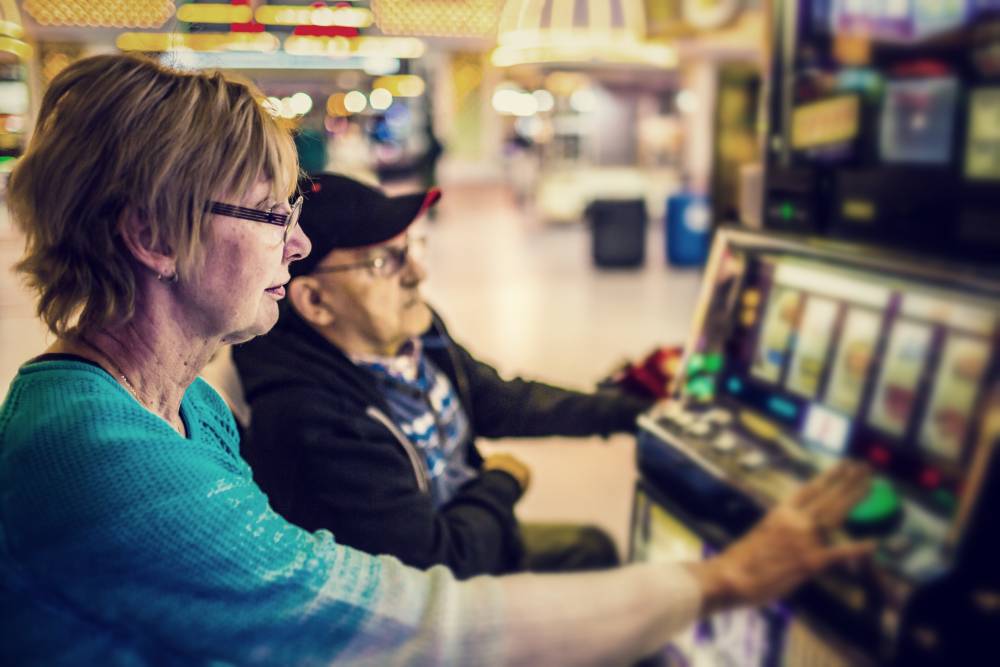
Senior gambling trends in Australia reveal a demographic at significant risk. Older Australians participate in gambling at higher rates than any other age group, lose more money per person, and face elevated risks of harm. With one in three older male gamblers at risk and online gambling adoption growing, the problem is likely to intensify as the population ages.
The hidden nature of senior gambling harm – often mistaken for harmless social activity – makes it particularly difficult to address. Venues actively market to older residents through free meals and entertainment, while the social isolation that drives many seniors to gamble remains undertreated. As Australia continues its national conversation about gambling reform, the specific vulnerabilities of older gamblers deserve urgent attention.
Sources: Australian Institute of Health and Welfare (AIHW), Gambling Research Australia, Victorian population gambling and health study, ANU Centre for Social Research and Methods
Why Are Older Australians at Higher Risk of Gambling Harm?
Q1: What percentage of older Australians gamble regularly? ▼
Participation is highest among people aged 65 to 74 years at 78%, compared to just 52.4% for people aged 18 to 24. Over 23% of older Australians play poker machines, and more than 63% participate in lottery games.
Q2: How much do older Australians lose to gambling? ▼
Australia’s total annual gambling losses are $31.5 billion, with per-capita expenditure at $1,527 per adult. Seniors contribute disproportionately, with average deposits of $50–$100 per session and higher frequency of play than younger demographics.
Q3: Why do older Australians gamble more than younger people? ▼
Key factors include social isolation (over 27% of retirees report loneliness), ease of access to gaming venues, targeted promotions such as free meals and shuttle buses, and the routine of regular venue visits that becomes embedded in daily life.
Q4: Is online gambling growing among seniors? ▼
Yes. More people aged 65 and over engage in online gambling at least once a month compared to 2019. However, seniors are less likely to adopt new payment tools like PayID, preferring familiar methods such as Visa and bank transfers.
Q5: What are the signs of gambling harm in older adults? ▼
Warning signs include sudden decrease in wealth, lying about gambling, stress or anxiety, using pension funds or savings to gamble, increasing bet amounts, chasing losses, and irritability when asked about gambling.