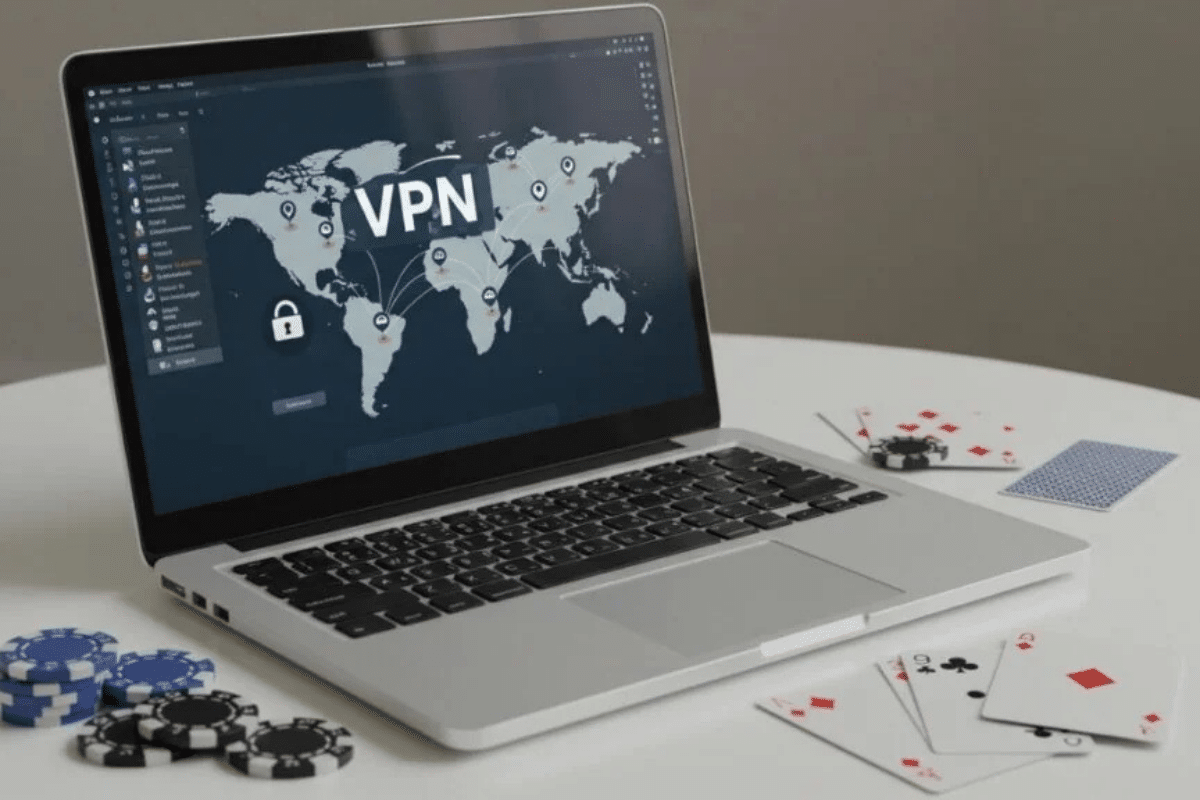
There is a version of the VPN argument that sounds convincing: if the connection is encrypted, if the IP address is masked, and if the server sits in another country, then what exactly is the offence? The answer is that the offence was never the connection. It was the gambling. And a VPN does not change what the gambling is.
Deputy Home Minister Datuk Seri Shamsul Anuar Nasarah made that distinction explicit in Parliament in July 2026. He told the Dewan Rakyat that while VPNs and similar tools are “not illegal in themselves,” authorities can take action when they are linked to unlawful conduct. “From a legal perspective, the use of such technology is not automatically an offence,” he said. “However, if it is used to facilitate criminal acts such as child sexual exploitation, fraud, online gambling, or the spread of harmful content, action will be taken under existing laws”.
That is the legal position in one paragraph. The tool is lawful. The conduct is not. And the conduct is what gets prosecuted.
What the Law Actually Says About VPNs in Malaysia
Malaysia does not prohibit VPN use. There is no licensing requirement for individual users, no offence created by encrypting your own traffic, and MCMC has publicly stated that it does not intend to block VPN services. VPN apps are freely available in Malaysian app stores, and provider websites are reachable.
The reason a blanket ban has never been attempted is practical. Corporate VPNs are the backbone of remote work. Banks, multinationals, government contractors, and a large share of Malaysian SMEs route staff traffic through them. A prohibition on the technology would break the working arrangements of a substantial part of the professional workforce.
What the government has signalled in 2026 is a narrower objective: closing what it describes as “VPN loopholes” used to circumvent social media age verification, following the licensing regime for large platforms and the passage of the Online Safety Act 2025. That pressure falls on platforms to verify age robustly, rather than on users to stop using tunnels.
But the enforcement posture toward VPN misuse is hardening. The Deputy Home Minister said authorities can take action against VPN-facilitated crime under the Penal Code, the Computer Crimes Act 1997, and the Communications and Multimedia Act 1998 (Act 588). The specific offence will depend on the underlying conduct, not on the VPN itself.
What a VPN Does — and What It Doesn’t
The technical reality is less dramatic than the marketing suggests.
A VPN hides your browsing from your internet service provider and from anyone on the same public WiFi. It hides your real IP address and location from the sites you visit. It reaches content that is blocked at the ISP level. That is what it genuinely does.
What it does not do is make you anonymous, stop scams or phishing, or protect data you handed over yourself. It also does not stop an investigation that starts from an account, a payment, or a message you sent.
That last point is the practical crux. A VPN encrypts traffic in transit. The bank transfer that funded the account is not encrypted. Neither is the e-wallet top-up. Your uploaded KYC registration documents remain unencrypted, and so does the withdrawal request that lands in a Malaysian bank account bearing your name. Enforcement does not need to break the tunnel if the trail outside the tunnel is already visible.
One legal guide puts it plainly: “Reaching a blocked gambling site through a VPN does not make the gambling lawful, and the payment trail is the part that catches people.”
The Blocking Regime: MCMC Can Still See the Destination
A common misconception is that a VPN defeats MCMC’s website blocking. It does not, at least not in the way users assume.
MCMC blocks gambling sites at the ISP level. A VPN can route around a specific ISP block by sending traffic through a foreign server. But MCMC does not keep its blocking list static, and the regulator continues to identify and block new domains even when a VPN mediates access. The Malaysian legal position is that MCMC can block illegal sites even when accessed through a VPN.
The scale of the blocking regime is significant. Between 2018 and August 2024, MCMC blocked 24,277 sites. Thirty-nine percent of those were blocked for gambling. The blocking pipeline is not a one-off action. It is a continuous operation, and the VPN does not remove the destination from the list.
The Real Legal Risk: The Underlying Offence
For a player, the legal exposure from using a VPN to gamble comes from the gambling offence, not the VPN offence. Malaysia does not have a standalone “using a VPN to gamble” charge. It has gambling charges, and the VPN is treated as an aggravating detail or as evidence of intent.
The relevant provisions are the Common Gaming Houses Act 1953 and the Betting Act 1953. Under Section 6(1) of the Common Gaming Houses Act, gaming in a common gaming house carries a fine of up to RM5,000, up to six months’ jail, or both. Online gambling has been held to fall within the Act’s scope. The VPN does not take the activity outside that scope.
There is also Section 233 of the Communications and Multimedia Act 1998, which covers the improper use of network facilities. The maximum penalty is a fine of up to RM50,000, imprisonment for up to one year, or both, with a further fine of RM1,000 for every day the offence continues after conviction. This provision is more commonly used against content creators and distributors than against individual players, but it is part of the enforcement toolkit.
The Computer Crimes Act 1997 is the third statute referenced by the Deputy Home Minister. It covers unauthorised access to computer material and related offences. It applies more narrowly to gambling, but it forms part of the legal architecture that enforcement agencies can draw on when someone uses a VPN to facilitate access to illegal platforms.
The Operator Side: VPNs as a Masking Tool
The VPN debate is not only about players. Illegal gambling operators use VPNs and similar tools to mask their own infrastructure, and that is a significant part of why the government is tightening its posture.
A Johor MCA public complaints bureau chief noted in June 2026 that most online gambling platforms are based in Europe or the Philippines, where gambling is legal, and that operators use VPN technology to give Malaysians access to those platforms, making enforcement difficult.
A separate report on the proposed Cyber Crime Act quoted an observer saying that illegal operators based abroad typically conduct transactions using digital wallets or crypto, and that VPN networks and various masking techniques protect their identities.
This is the asymmetry that matters. A player using a VPN is trying to reach a platform. An operator using a VPN is trying to hide a business. The enforcement priority is the operator, and the VPN is one layer of the obfuscation that regulators are trying to peel back.
Why “Everyone Does It” Is Not a Defence
The practical risk for an individual player is low, but it is not zero, and it is not random.
Enforcement operations during the FIFA World Cup 2026 resulted in hundreds of arrests. Police conducted 422 raids under Op Soga XI and arrested 554 suspects, including 341 Malaysians and 213 foreign nationals. Those arrests were not limited to operators. Players were among those charged and fined.
The enforcement model is not a dragnet. It is targeted. But targeted enforcement still catches people who assumed they were invisible. The VPN changes who can see the traffic in transit. It does not change the fact that the account, the payment, and the device are all linked to a real person.
What to Do If You Have Been Using a VPN to Gamble
The first step is to stop treating the VPN as a legal shield. It is not one. If you have been gambling on offshore platforms through a VPN, you have been participating in activity that Malaysian law treats as unlawful, regardless of the encryption layer.
The second step is to understand the payment exposure. If your deposits and withdrawals have flowed through a Malaysian bank account or e-wallet, there is a financial record. That record is the most likely starting point for any investigation.
The third step, if you are concerned about legal exposure, is to seek qualified legal advice. This article is not legal advice, and the application of the law depends on facts that only a lawyer can assess.
If the concern is gambling harm rather than legal exposure, support is available. MIASA Crisis Helpline operates 24/7. Befrienders KL can be reached at 03-7627 2929. Talian HEAL 15555 operates from 8am to midnight daily. All are free and confidential.

FAQ
Is using a VPN legal in Malaysia?
Yes. There is no law prohibiting VPN use, no licensing requirement for individual users, and no offence created by encrypting your own traffic. The Deputy Home Minister confirmed in Parliament on 2 July 2026 that VPN use is “not automatically an offence.”
Can I be prosecuted for using a VPN to gamble in Malaysia?
The VPN itself is not the offence. The gambling is. If you use a VPN to access an illegal gambling site, authorities can prosecute you under the gambling laws, and they may treat the VPN use as an aggravating detail. Authorities can also take enforcement action under the Penal Code, the Computer Crimes Act 1997, and the Communications and Multimedia Act 1998.
Does a VPN hide me from MCMC?
No. A VPN can route around a specific ISP block, but MCMC continues to identify and block gambling domains, and the legal position is that MCMC can block illegal sites even when accessed through a VPN.
What is the penalty under Section 233 of the Communications and Multimedia Act?
A fine of up to RM50,000, imprisonment for up to one year, or both, with a further fine of RM1,000 for every day the offence continues after conviction.
Why do illegal gambling operators use VPNs?
Operators use VPNs and similar tools to mask their infrastructure and identities. Many platforms are based in jurisdictions where gambling is legal, and VPNs are used to obscure the link between the offshore operation and Malaysian users.
What should I do if I have been gambling through a VPN?
Stop treating the VPN as a legal shield. If you are concerned about legal exposure, seek qualified legal advice. If the concern is gambling harm, contact MIASA, Befrienders KL, or Talian HEAL 15555.
Sources
- Media Selangor — “VPN legal but will be acted on if linked to crime, says KDN,” 2 July 2026. mediaselangor.com
- Malaysia4U — “VPN Malaysia: Is It Legal, What It Actually Does, and How to Choose One,” updated August 2026. malaysia4u.com
- VPN Picker — “Malaysia Cracks Down on VPN Misuse, Not VPN Use, to Protect Children Online,” July 2026. vpn-picker.com
- Malay Mail — “Govt, MCMC move to block VPN loopholes as Malaysia enforces social media age limits,” 2 July 2026. malaymail.com
- TechRadar — “Malaysia is cracking down on VPN misuse, but your VPN stays perfectly legal,” July 2026. techradar.com
- GamblingMaps.org — “Malaysia Online Betting Laws: Winnings Tax & Safe Platforms,” 18 June 2026. gamblingmaps.org
- MyLaw.my — Communications and Multimedia Act 1998, Section 233. mylaw.my
- Caripeguam — “Adakah perkhidmatan VPN menyalahi undang-undang di Malaysia?” 16 December 2024. caripeguam-my.com
- Sinar Daily / Bernama — “Govt steps up measures against VPN abuse, third-party identities in online child protection,” 2 July 2026.
- Lowyat.NET — “Govt Eyes VPN Misuse In Social Media Age Check Enforcement,” 2 July 2026.